
Early Warning Signs of Hearing Loss You Might Be Missing
Here’s the thing about hearing loss. It doesn’t usually start
By: admin | December 21, 2025
Fall festivals are some of the best parts of the season. Live music, crowded fairgrounds, fireworks and outdoor celebrations make for great memories. But all that noise can do more damage to your hearing than you might expect.
A few hours at a loud concert or standing near speakers at a festival might not seem like a big deal, especially if your ears feel fine afterward. The problem is that hearing damage builds up slowly over time.
Each exposure to high noise levels chips away at your hearing in ways you won’t notice until it’s already affecting how well you can hear conversations or enjoy music later on.
Taking a few small precautions now means you can keep attending festivals, concerts and celebrations without worrying about whether you’re damaging your hearing every time you go.
You’ll still hear the music, catch up with friends and soak in the atmosphere. You just won’t be putting yourself at risk for permanent hearing loss or the tinnitus that can follow noise exposure.
Fall festivals are full of loud sounds from music, cheering crowds and fireworks. These noises can reach levels that may harm your hearing, especially with prolonged exposure. Even short bursts of very loud sound can have lasting effects.
If you notice ringing in your ears or muffled sounds after leaving a festival, these may be early signs that your hearing has been affected. Children and teens are especially sensitive to loud sounds because their ears are still developing, but adults can be affected as well.
Sound levels at festivals can be much higher than most people expect. Standing close to speakers or large crowds increases exposure and the tiny hair cells inside your ear can become overworked or damaged.
Once these hair cells are harmed, they do not grow back, which can lead to permanent hearing loss.
Common sources of noise at outdoor events include:
Sound from multiple sources adds up, and noticing early signs of hearing changes can help you understand how your ears respond to noise.
Paying attention to early signs of hearing damage helps you protect your ears before problems become worse. These signs can be easy to overlook after a busy day at a festival.
You might notice ringing in your ears or that sounds seem muffled after being around loud music or crowds. Sometimes, it may be harder to follow conversations, especially with background noise.
If these changes happen often or last longer than a few hours, they could signal that your hearing has been affected.
Hearing plays a key role in almost every part of daily life, and losing it can affect more than just conversations. When hearing changes go untreated, social interactions can become tiring or frustrating.
You might miss parts of conversations, struggle to follow discussions in groups or avoid social events altogether. Over time, this can create a sense of distance from friends, family and your community.
Relationships may become strained simply because communication feels harder and less enjoyable. Even activities you usually enjoy, like listening to music, watching movies or attending events, can feel less satisfying when sounds are harder to follow.
Hearing loss also has mental and emotional consequences. Straining to hear increases fatigue and can heighten stress.
Difficulty understanding speech can lead to anxiety, embarrassment or feeling left out, which can affect mood and confidence. Untreated hearing changes can also influence cognitive health.
Research links long-term hearing loss to challenges with memory, focus and processing information, which can increase the risk of cognitive decline over time.
Addressing hearing changes early helps maintain stronger relationships, sharper thinking and a sense of balance as life moves forward.
A little planning before attending a festival goes a long way in keeping your hearing safe. Check the event schedule for loud performances or fireworks so you can be ready with ear protection or plan breaks during those times.
Pack earplugs or earmuffs before leaving home for easy access when needed. If you are bringing children, talk with them about why ear protection matters and make sure their earplugs or earmuffs fit well.
Being prepared allows you to respond quickly when noise levels rise and lets everyone enjoy the festival with less worry.
Standing farther away from speakers or other loud sound sources at a festival reduces the amount of noise reaching your ears. Sound becomes quieter the farther you are from the source, which means less strain on your hearing over time.
Choosing a spot away from the main stage or large speakers can make a big difference, especially if you plan to stay in one place for an extended period. Even moving back a few steps or finding a side area can lower the volume enough to make the experience more comfortable.
Finding a safe space also means paying attention to other sources of noise. Large crowds, food trucks with generators, rides or other nearby attractions can all add to overall sound levels.
Look for areas that provide some natural separation from these noise sources, like open corners, areas behind barriers or spots slightly elevated above the crowd. Using physical features like fences, berms or buildings can also help block or reduce sound intensity.
Planning your location in advance, being willing to adjust as the event progresses and keeping an eye on the loudest areas can help you enjoy the festival while reducing the risk of hearing damage.
Taking breaks from noisy areas during festivals gives your ears time to rest. Even short periods away from loud sounds help protect your hearing.
Try stepping away from the main stage or busy crowd every hour or so, even if it is just for five or ten minutes. Find a quieter spot, like near food vendors or outside the main event area.
These short breaks allow the tiny hair cells in your ears to recover and reduce the risk of hearing loss.
Use these breaks to check how your ears feel. If you notice ringing or muffled sounds, spend a little longer in a quiet place before returning to the music and crowds. Making this a habit helps keep your hearing safe now and in the future.
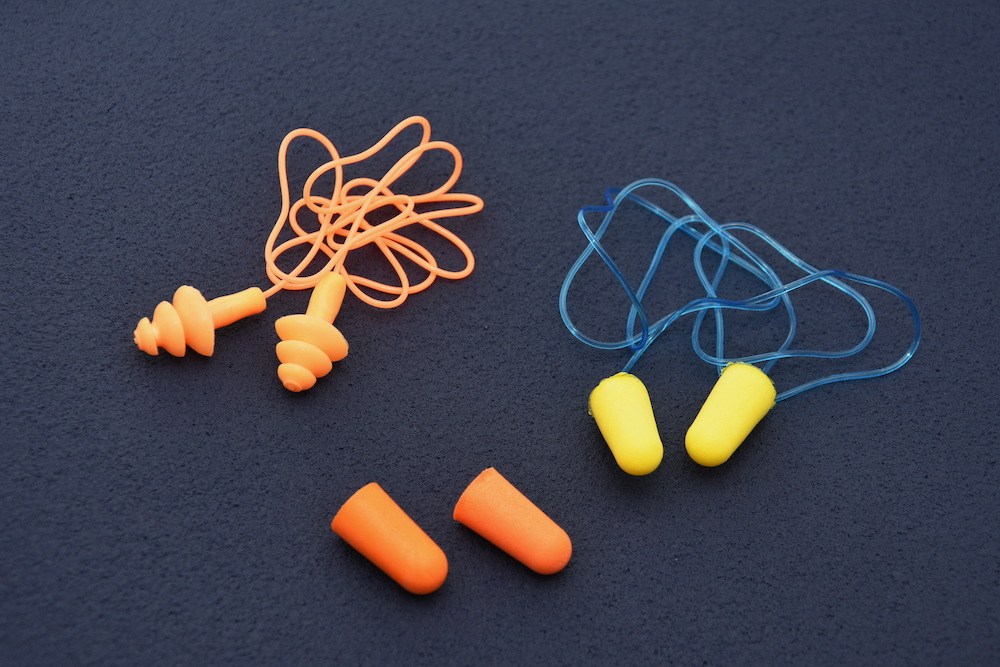
There are several types of ear protection that can help keep your hearing safe during loud events.
Choosing the right option depends on comfort, the level of noise reduction you need and how long you plan to wear them.
Each type offers specific benefits for different situations:
Staying aware of volume levels during a festival helps you protect your hearing in real time. Sound levels can change quickly when music starts or crowds get louder.
Pay attention to how loud the environment feels and check for signs like needing to shout to be heard by someone next to you. If you notice the volume rising, consider moving farther from speakers or using ear protection right away.
Some festivals use sound meters or display warnings when noise gets too high. Watching for these signals and adjusting your position or ear protection can help lower your risk of hearing loss throughout the event.
If you notice ringing in your ears or muffled sounds after a festival, this can mean your ears were exposed to loud noise.
These changes often show up right after the event and may last for a few hours. Most of the time, your hearing will return to normal after some rest in a quiet place.
If ringing or muffled hearing lasts longer than a day, it could be a sign that your ears need more time to recover or that there has been some damage.
If ringing in your ears, muffled hearing or trouble understanding speech lasts longer than 24 hours after being around loud noise, this may be a sign of possible hearing loss. These symptoms should not be ignored if they do not improve with rest in a quiet place.
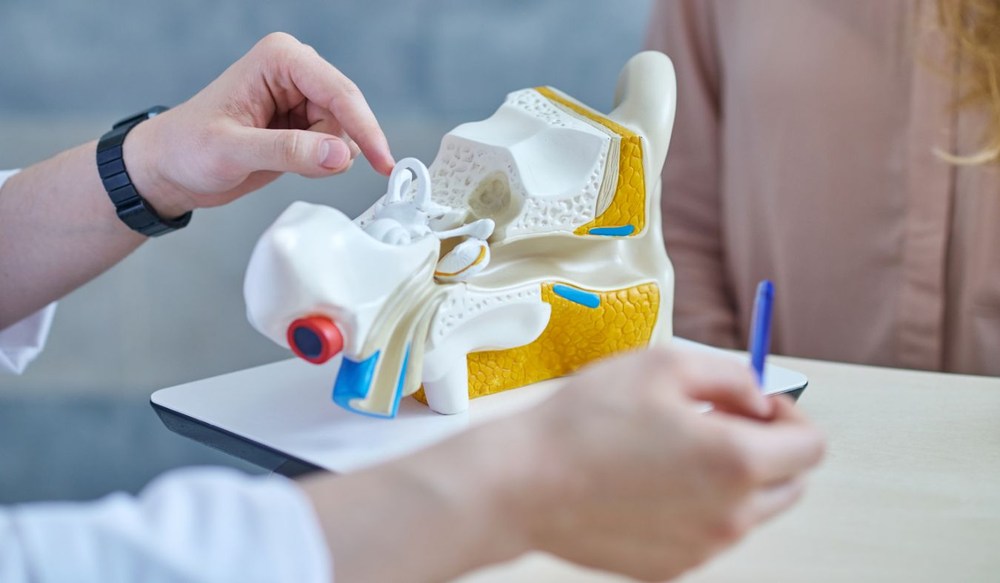
Your audiologist can check your hearing and help you understand what is happening. Getting answers early gives you the best chance to protect your hearing and prevent further problems.
If you notice changes that do not go away, support is available and steps can be taken to care for your ears.
Enjoying fall festivals and outdoor events doesn’t have to come with the risk of long-term hearing damage.
Simple choices like giving your ears a break from the loudest areas, noticing when sounds are too intense and understanding how noise exposure adds up can make a big difference.
Protecting your hearing allows you to continue enjoying music, conversations and the lively atmosphere without worrying about lasting effects. Taking precautions now helps ensure that future events remain just as fun and memorable.
Our team at Duncan-Nulph Hearing Associates in Mechanicsburg, PA, is here to help you protect your hearing. Contact our office at 717-610-6659 so we can provide guidance and support, helping you enjoy every concert, festival or celebration while keeping your hearing safe.
Tags: hearing loss prevention tips, hearing protection products

Here’s the thing about hearing loss. It doesn’t usually start
By: admin | February 20, 2026
Fall festivals are some of the best parts of the season. Live music,
By: admin | December 21, 2025
When hearing loss is present, everyday school activities can become more
By: admin | August 21, 2025