
Early Warning Signs of Hearing Loss You Might Be Missing
Here’s the thing about hearing loss. It doesn’t usually start

By: admin | February 20, 2026
Here’s the thing about hearing loss. It doesn’t usually start with a big obvious moment where you suddenly can’t hear.
It’s more like one day you realize you’ve been turning the TV up without thinking about it, or you’re asking your spouse to repeat themselves more than you used to, or you’ve just started leaving captions on for everything.
And honestly, none of that feels like a big deal at the time. You just think that’s how things are now. But when you take a step back and look at the whole picture, those little changes are adding up and they’re telling you something worth paying attention to.
The tricky part is that most people don’t realize how much these small shifts are affecting their daily life until someone else points it out. Your kids might mention that you never used to need the volume that high.
A friend might notice you keep leaning in during conversations. You might catch yourself feeling wiped out after a dinner out, even though all you did was sit there and eat and talk.
These things don’t feel connected to your hearing at first, but they usually are.
The earlier you start noticing these patterns, the easier it is to figure out what’s going on and do something about it before it starts affecting your relationships and how you feel at the end of the day.
Hearing loss often develops gradually as the parts of your ear and auditory system change. Tiny sensory cells in the inner ear detect sound vibrations and send signals to your brain. When these cells become damaged or wear down, certain sounds, especially higher-pitched ones, become harder to hear.
Loud noise is a common cause. Regular or extended exposure to high-volume sounds can harm these sensory cells and the nerves that carry signals to the brain.
Genetics can make some people more likely to experience hearing difficulties. Certain medications, illnesses or health conditions, like diabetes or high blood pressure, can affect how well the ear functions and contribute to hearing loss.
These factors combine to change how efficiently your ear picks up and transmits sound, which eventually leads to reduced hearing.
Most of us don’t realize our hearing is starting to change until it begins to get in the way. The shifts are usually gradual, so you may just assume people are mumbling or that you’re missing words because of background noise. Your brain and other senses often compensate, which can make the changes even harder to spot at first.
Hearing loss can slip by unnoticed for several reasons:
You might not notice hearing changes at first, especially when you’re at home or catching up with friends. Maybe you find yourself asking someone to repeat a joke during dinner, or missing small details in a story while chatting with friends. At first, these shifts are subtle and easy to blame on distractions or background noise.
Some signs often show up in home life:
Busy environments like restaurants, family gatherings or shopping centers can make conversations harder to follow when your hearing changes. Background noise and several people talking at once can make words sound unclear.
You might notice missing parts of group conversations, feeling tired from listening closely or even avoiding social events. These experiences are common and can be some of the first signs that your hearing has changed.
Needing people to repeat themselves during conversations with family, friends or coworkers is a common early sign of hearing loss.
Words may seem unclear or parts of sentences may be missed, especially when there is background noise. This can make it harder to keep up and sometimes lead to frustration for both you and those around you. Asking for repetition is not about carelessness; it often points to changes in how your ears pick up certain sounds.
Turning up the volume on the television or radio more than before is another early sign of hearing loss. What once felt like a comfortable volume may now seem too quiet, even if others think it is loud enough.
Often, family or friends are the first to mention that the TV or radio is much louder than before. If you find yourself adjusting the volume more often, it may be time to check your hearing health.
Missing words or parts of conversations, especially when several people are speaking or when there is background noise, is a common early sign of hearing loss.
This can lead to misunderstandings or feeling left out during group discussions. Being aware of these changes helps you stay connected with those around you.
Many people find phone calls more difficult than face-to-face conversations. This can happen because:
After social events, you might feel unusually tired or drained. Conversations take more effort when your hearing does not pick up everything clearly, even if you do not notice it at first. Your brain works harder to fill in missing words, follow multiple speakers or filter out background noise, and all that extra work can leave you mentally exhausted.
This kind of fatigue goes beyond physical tiredness. It can affect your mood, focus and willingness to join in on social activities.
When you realize this tiredness comes from the extra listening effort can help you recognize changes in your hearing and take steps to reduce strain before it begins to affect daily life.
Sometimes the people closest to you notice changes in your hearing before you do. A partner, sibling or friend might mention that you misunderstand them often, that the TV or music seems louder than usual, or that you seem quieter during group conversations.
These comments are not criticisms and can be helpful signals that your hearing may be shifting.
Listening to what loved ones observe can give you a clearer picture of your hearing health. They may notice patterns you do not, like missing details at the dinner table or struggling to follow side-by-side conversations during family gatherings.
Recognizing these clues early can help you decide whether to schedule a hearing check or make adjustments in situations where multiple voices compete. Acting on these signals helps you keep daily conversations easier and less tiring.
You may find yourself skipping group activities or feeling left out during events if following conversations becomes too difficult. This response is common when hearing loss makes fast-moving discussions or noisy settings stressful.
Stepping back from these activities can lead to feeling isolated, but there are ways to stay connected and confident in social settings. Noticing these changes helps you understand how hearing affects your daily life and relationships.
Routine hearing tests provide a concrete data point that subjective experience cannot match. These exams identify specific frequency drops that you might not notice during daily life but that still impact how much effort your brain spends decoding speech.
Scheduling a hearing test allows for an objective comparison year over year. This makes it possible to distinguish between a temporary blockage and permanent nerve damage before the situation requires more invasive or expensive intervention.
The clinical value of these checkups also lies in monitoring your broader health. Because the ears are sensitive to changes in blood flow and nerve function, a sudden shift in hearing can be an early indicator of issues like high blood pressure or diabetes.
Addressing these changes immediately helps prevent the mental fatigue that comes from your brain constantly trying to compensate for poor signal quality. Keeping your hearing levels stable ensures your auditory system stays efficient without putting extra strain on your cognitive resources.
Everyday choices can impact your long-term hearing health. Listening to loud music through headphones, working in noisy environments without ear protection and certain health habits like smoking can increase the risk of hearing loss over time.
Eating a balanced diet and staying active also support healthy blood flow to the ears, which is important for maintaining good hearing.
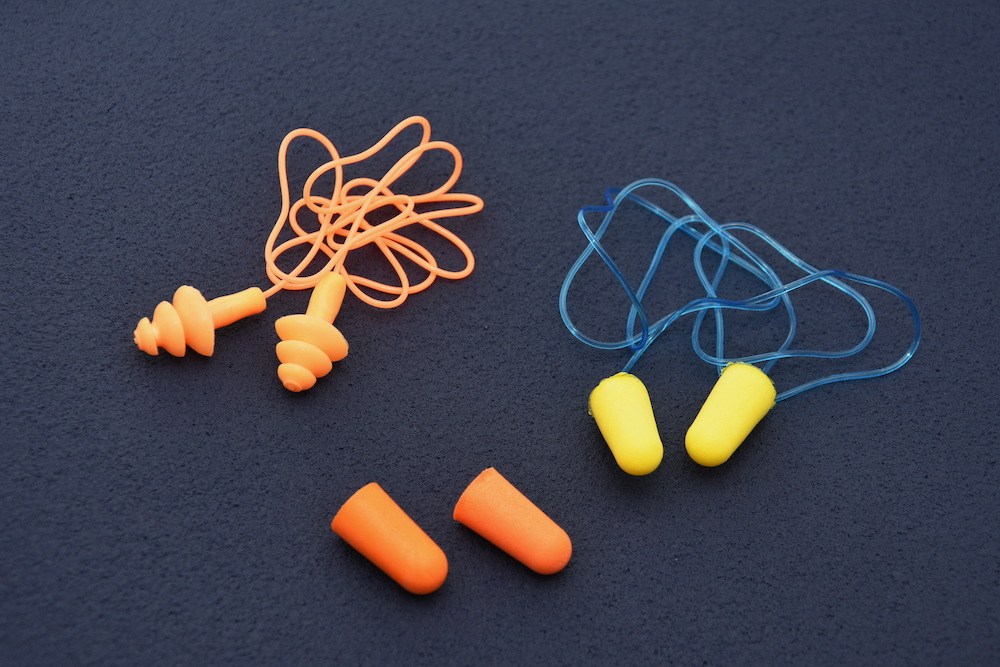
Being around loud noise at work or during hobbies is a common concern. While it is not always possible to avoid these sounds completely, using ear protection like earmuffs or earplugs can help reduce the risk.
Making small changes like lowering headphone volume and taking breaks from noisy settings can help protect your hearing for years to come.
If you notice possible signs of hearing loss, start by paying close attention to when and where these changes happen.
Keep track of situations where you struggle to hear, like during group conversations or while watching TV. Writing down specific examples can help you see patterns or whether changes are getting worse.
Share your observations with people you trust, like family members or close friends. They may have noticed similar changes and can offer helpful feedback about your hearing in different settings.
If these signs continue or start affecting daily activities, scheduling a hearing checkup with an audiologist is a good next step. Addressing concerns early can help prevent larger issues down the road.
Small changes in your hearing often go unnoticed at first. Turning up the volume or feeling drained after a dinner or gathering can all signal that your hearing is shifting. Identifying these signs early gives you a clear sense of what’s happening before it starts affecting how you talk with friends and family.
The team at Duncan-Nulph Hearing Associates in Mechanicsburg, PA can help you understand these changes and figure out your next steps. Call 717-610-6659 to get support and make sure your hearing keeps up with your daily life.
Tags: hearing loss and mental health, hearing loss basics, hearing loss symptoms
Here’s the thing about hearing loss. It doesn’t usually start
By: admin | February 20, 2026
Fall festivals are some of the best parts of the season. Live music,
By: admin | December 21, 2025

When hearing loss is present, everyday school activities can become more
By: admin | August 21, 2025