
How Does Hearing Loss Impact Outdoor Socializing and Family Gatherings?
Jubilee Day fills downtown Mechanicsburg every summer with food trucks,

By: admin | August 21, 2025
When hearing loss is present, everyday school activities can become more difficult, especially when listening and understanding are key to learning. Students with hearing challenges may find it harder to follow lessons, understand instructions or take part in classroom discussions. These obstacles can affect learning and participation even when the student is otherwise motivated and capable.
Families, teachers and audiologists play an important role in identifying hearing-related difficulties and providing the support students need. Recognizing and addressing these challenges early can help students stay engaged, succeed academically and participate more fully in school activities.
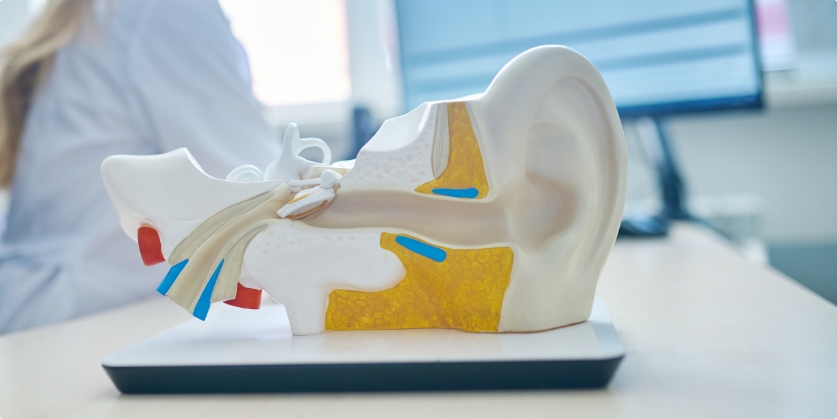
The auditory system develops through a series of stages that begin before birth and continue into early childhood. In the womb, the inner ear forms first, creating the structures necessary to detect sound, including the cochlea and auditory nerve. As these structures mature, the brain starts forming the connections needed to process and interpret sounds. Even before birth, the developing auditory system can respond to external noises, laying the groundwork for recognizing voices, rhythms and speech patterns after birth.
After birth, the auditory system continues to refine its abilities through exposure to everyday sounds. Babies gradually learn to distinguish between different pitches, tones and speech sounds, which supports language and communication skills. Early experiences with sound are essential for shaping how the brain processes auditory information, and consistent stimulation helps strengthen these neural pathways. Understanding how the auditory system develops highlights the importance of early hearing checks and supportive environments that promote healthy hearing and language growth.
Identifying hearing loss in children begins from the earliest stages of life. For newborns, hearing screenings are often conducted in the hospital to check for signs of hearing difficulties. Parents can also observe responses to sounds at home, like startling at loud noises or turning toward familiar voices. Early detection is crucial because hearing loss at this stage can affect language development, speech and overall communication skills.
As children grow into toddlers and preschoolers, signs of hearing loss may become more noticeable through behavior and speech development. A child who struggles to follow simple directions, frequently asks for repetition or shows delays in speaking compared to peers may be experiencing hearing difficulties. In addition, others may notice that the child responds better to visual cues than to auditory ones or seems to ignore sounds from across the room. These observations can help guide parents and teachers to seek professional evaluation from an audiologist.
In school-age children and adolescents, hearing loss may present in more subtle ways. Difficulty understanding conversations in noisy classrooms, trouble following instructions during group activities or declining academic performance can all indicate potential hearing issues. Teens may also withdraw socially or avoid participating in discussions if they struggle to hear clearly. Regular hearing assessments and open communication between parents, educators and audiologists can help identify challenges early, allowing for timely interventions that support both learning and social development.
Hearing loss can have a noticeable impact on a child’s academic performance by making it harder to fully access classroom instruction. Children who struggle to hear may miss key details during lessons, misunderstand directions or have difficulty following group discussions. Even when teachers provide visual cues or repeat information, gaps in understanding can accumulate over time, affecting overall learning and comprehension. This can lead to frustration and require extra effort to keep up with peers.
Beyond academics, hearing loss can influence classroom participation and communication skills. Children may hesitate to answer questions, contribute to discussions or work in groups if they are unsure they can hear clearly. These challenges can affect confidence and engagement, making it harder to develop strong social and collaborative skills. Early recognition and support, including accommodations from teachers and guidance from audiologists, can help minimize these effects and support a child’s learning and participation in school.
Clear speech and instructions help students understand lessons and complete tasks with less confusion. When teachers speak clearly, it is easier for everyone to follow along, especially those with hearing loss. Students who hear instructions well are more likely to stay focused and participate in class activities. Using clear speech can reduce stress and give every student a better chance to succeed. This approach supports a positive classroom experience for all learners.
Hearing loss can affect a child’s reading skills by making it harder to connect sounds with letters and words. When a child cannot clearly hear speech sounds, they may struggle to recognize phonics patterns, which are essential for decoding words. This can slow reading development and make comprehension more challenging. Children may also miss subtle differences in pronunciation that influence spelling and vocabulary growth. With support from teachers and audiologists, these challenges can be addressed to help children build stronger reading skills.
Writing skills can be influenced as well because language development is closely tied to hearing. Children with hearing loss may have difficulty learning proper grammar, sentence structure and word usage if they have not fully absorbed spoken language. This can lead to writing that reflects gaps in vocabulary or errors in sentence construction. Targeted instruction and assistive tools can help students practice and improve their writing abilities. Early intervention is key to ensuring that hearing loss does not limit a child’s ability to communicate effectively through writing.
Hearing loss can affect a child’s emotional well-being in school by creating feelings of frustration or isolation. When a student struggles to hear lessons or follow conversations, they may feel left out during classroom discussions or group activities. Over time, this can lead to anxiety or a lack of confidence, making it harder for the child to participate fully and engage with peers and teachers. Emotional challenges like these can impact motivation and willingness to try new tasks, even when the child is capable of succeeding academically.
Social interactions are another area where hearing loss can influence emotions. Children may withdraw from group activities or avoid speaking up because they fear misunderstanding others or being misunderstood themselves. This can make forming friendships and building social skills more difficult, which in turn can affect overall school experience. Support for others can help students feel more confident and included, reducing emotional stress and allowing them to focus more on learning.
Hearing loss can affect speech development because children learn to speak by listening to the sounds and words around them. When they cannot hear clearly, it becomes harder to pick up on the correct pronunciation, rhythm and tone of speech. This may lead to unclear speech, limited vocabulary or difficulty forming complete sentences. Even mild hearing loss can make it challenging to hear softer sounds, which are important for learning certain words and speech patterns. Without early support, these challenges can make communication harder both in and out of school.
The timing and degree of hearing loss play an important role in how speech develops. Hearing loss that occurs before a child learns to talk can delay their first words and slow the growth of their language skills. If it develops later, they may already have a foundation for speech but could struggle to add new words or refine pronunciation. Consistent support from an audiologist, along with speech therapy when needed, can help children strengthen their communication skills. With the right tools and early intervention, many children with hearing loss can develop clear and effective speech.
Detecting hearing loss early can make a big difference in how well students do in school. When hearing changes are noticed early, students can get the support they need before learning gaps grow larger. This helps prevent small problems from becoming bigger issues over time. If you notice changes in your or your child’s ability to hear at school, acting quickly allows teachers and families to work together and find helpful solutions, like using classroom tools or changing seating arrangements.
Getting help early also means students are more likely to keep up with classmates both academically and socially. With the right support in place from the start, students have a better chance of reaching their full potential at school.
Treatments for hearing loss in students often focus on improving access to sound so they can fully participate in learning. Behind-the-ear hearing aids are a common option, especially for children, because they are durable, easy to adjust as the child grows and can be paired with classroom technology like FM systems. These devices amplify sounds and make speech clearer, which can help students follow lessons, take part in discussions and feel more confident in their abilities. For some, especially those with more severe hearing loss, cochlear implants may be considered to provide direct stimulation to the hearing nerve. While each student’s needs are different, these tools can significantly improve communication in educational settings.
The success of any treatment depends not only on the device itself but also on the support that comes with it. Audiologists, educators and families often work together to make sure hearing aids or implants are set up correctly and used consistently. This teamwork can make a major difference in how well a student adapts and benefits from their device in the classroom. Regular checkups, adjustments and maintenance keep the devices working effectively as the student’s needs change over time. With the right treatment and ongoing support, many students with hearing loss can thrive academically and engage fully with their school community.
Teachers can use several helpful approaches to support students with hearing loss in the classroom. Seating the student near the front of the room or close to where the teacher usually speaks can make it easier to hear instructions and see facial cues. Using visual aids, written instructions and clear handouts also helps students follow lessons more easily. Teachers may repeat or rephrase important points and check in to make sure everyone understands.
Technology like FM systems or sound field systems can also improve listening conditions for students with hearing loss. Working together, teachers and families create a learning environment that supports each student’s needs. These strategies often benefit all students by making classroom communication clearer and more accessible.
Regular hearing checks at school help find changes in hearing before they start to affect learning or social life. These checks are quick, simple and can catch early signs of hearing loss that might otherwise go unnoticed. When students have their hearing checked regularly, teachers and families can respond sooner with helpful classroom tools or support. This means small issues are less likely to turn into bigger problems over time. Knowing that regular checks are part of school health routines helps every student stay on track with learning and friendships.
Hearing loss can affect many parts of school life, from following lessons to joining group activities and building friendships. Recognizing the signs early and taking steps to address hearing changes can make a real difference in academic success and social confidence. Regular hearing checks and support from teachers, families and audiologists help students stay engaged with learning.
If you have noticed any changes in classroom participation, grades or communication that could be linked to hearing loss, it might be time to schedule a hearing test. At Duncan-Nulph Hearing Associates, we are available to answer your questions that you may have about hearing loss or treatment options. If you want to schedule an appointment at our Mechanicsburg, PA office call us at 717-610-6659.
Tags: hearing care for children, hearing loss and mental health, pediatric hearing loss
Jubilee Day fills downtown Mechanicsburg every summer with food trucks,
By: admin | September 21, 2026

People are good at explaining away the things that feel off. Fatigue gets
By: admin | April 22, 2026

Here’s the thing about hearing loss. It doesn’t usually start
By: admin | February 20, 2026